River Scott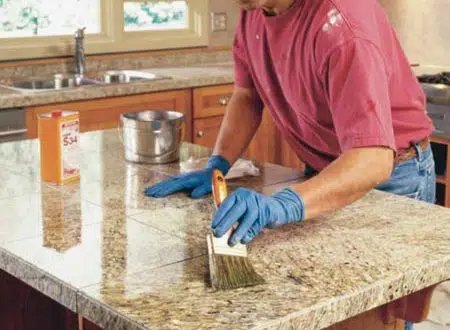
To maintain the longevity and beauty of your granite countertops, it’s crucial to know how often should you seal granite. Generally, experts recommend sealing granite every one to three years, depending on usage and the specific type of granite. With regular sealing, you can protect your granite from stains, scratches, and other damages, ensuring it looks stunning for years to come. Don’t overlook this essential step in granite care – let’s dive into the details of how often should you seal granite to keep your surfaces looking pristine.

How Often Should You Seal Granite: A Comprehensive Guide
Welcome to our guide on how often you should seal your granite countertops! Granite is a popular choice for kitchen and bathroom surfaces due to its durability and elegant appearance. However, to maintain the beauty and longevity of your granite countertops, regular maintenance, including sealing, is essential. In this article, we will delve into the importance of sealing granite, how often you should seal it, the signs that indicate it’s time to reseal, and the proper sealing process. Let’s explore everything you need to know to keep your granite looking its best!
The Importance of Sealing Granite
Granite is a natural stone that is porous, meaning it can absorb liquids and become stained if not properly sealed. Sealing granite creates a protective barrier that helps prevent liquids, oils, and other substances from penetrating the surface. This not only helps maintain the appearance of your granite but also prolongs its life by reducing the risk of damage from spills and stains.
How Often Should You Seal Granite?
One of the most common questions regarding granite care is how often it should be sealed. The frequency of sealing your granite countertops depends on various factors, including the type of granite, the sealant used, and how often the surface is used.
General Guidelines for Sealing Granite
As a general rule of thumb, it is recommended to seal your granite countertops at least once a year. However, certain types of granite may require more frequent sealing, while others can go longer between sealings. The best way to determine when your granite needs to be resealed is by performing a simple water test.
The Water Test
To test if your granite countertops need to be resealed, simply place a few drops of water on the surface and observe how it reacts. If the water beads up and sits on the surface, your granite is still adequately sealed. However, if the water starts to absorb into the granite and darken the stone, it is time to reseal.
Signs It’s Time to Reseal Your Granite
In addition to the water test, there are other signs that indicate your granite countertops may need to be resealed:
1. Stains
If you notice that spills are leaving stains on your granite that are difficult to remove, it may be a sign that the sealant has worn off and the stone is absorbing liquids.
2. Dull Appearance
Granite that has lost its shine and appears dull may benefit from resealing. A fresh coat of sealer can help restore the luster and vibrancy of the stone.
3. Increased Porosity
If your granite countertops feel rough or porous to the touch, it could indicate that the sealant has worn off, leaving the stone vulnerable to damage.
The Sealing Process
When it’s time to seal your granite countertops, following the proper sealing process is crucial to ensure effective protection. Here’s a simple step-by-step guide to sealing your granite:
1. Clean the Surface
Before applying the sealer, make sure your granite countertops are clean and free of any debris or spills. Use a mild detergent and warm water to gently clean the surface, then allow it to dry completely.
2. Choose the Right Sealer
There are various types of sealers available for granite, including spray sealers, wipe-on sealers, and brush-on sealers. Choose a high-quality sealer that is specifically designed for natural stone surfaces.
3. Apply the Sealer
Follow the manufacturer’s instructions for applying the sealer to your granite countertops. Typically, you will need to evenly coat the surface with the sealer using a clean cloth or applicator, ensuring that the entire surface is covered.
4. Allow the Sealer to Cure
After applying the sealer, allow it to cure for the recommended time as per the manufacturer’s instructions. This curing period allows the sealer to bond with the granite and create a protective barrier.
5. Test the Sealer
To ensure that the sealer has been applied correctly, perform a water test as mentioned earlier. If the water beads up on the surface, your granite is now properly sealed and protected.
Sealing your granite countertops is an essential part of maintaining their beauty and durability. By following the guidelines outlined in this article and staying attentive to the signs that indicate your granite needs resealing, you can ensure that your granite surfaces remain in top condition for years to come. Remember, a little maintenance goes a long way in preserving the elegance of your granite countertops!
Thank you for reading our comprehensive guide on how often you should seal granite. We hope you found this information helpful and informative. If you have any further questions or tips to share, feel free to leave a comment below. Happy sealing!
Stone Care Experts Ep 4: How Often Should You Seal Granite and Other Natural Stone
Frequently Asked Questions
How frequently should granite be sealed?
It is recommended to seal granite countertops every 1 to 3 years. However, high-use areas may require sealing more frequently, possibly on an annual basis, to maintain optimal protection.
What factors influence the frequency of sealing granite?
The frequency of sealing granite depends on factors such as the type of granite, the quality of the sealer used, the level of use the surface receives, and the porosity of the stone. Generally, darker and denser granites may require less frequent sealing compared to lighter and more porous ones.
Can you tell if granite needs sealing again?
You can perform a simple water test to check if granite needs sealing. Place a few drops of water on the surface and wait for around 30 minutes. If the water beads up, the granite is still sealed. If the water absorbs into the stone and creates a dark spot, it’s time to reseal the granite.
Final Thoughts
To keep your granite countertops looking their best, seal them every 1-2 years. This timeframe may vary based on the specific type and color of your granite, as well as the level of use your countertops endure. Regularly sealing your granite helps protect it from stains, scratches, and etching. Make sure to follow the manufacturer’s guidelines for the best results. Remember, how often you should seal granite depends on various factors unique to your home and lifestyle.