River Scott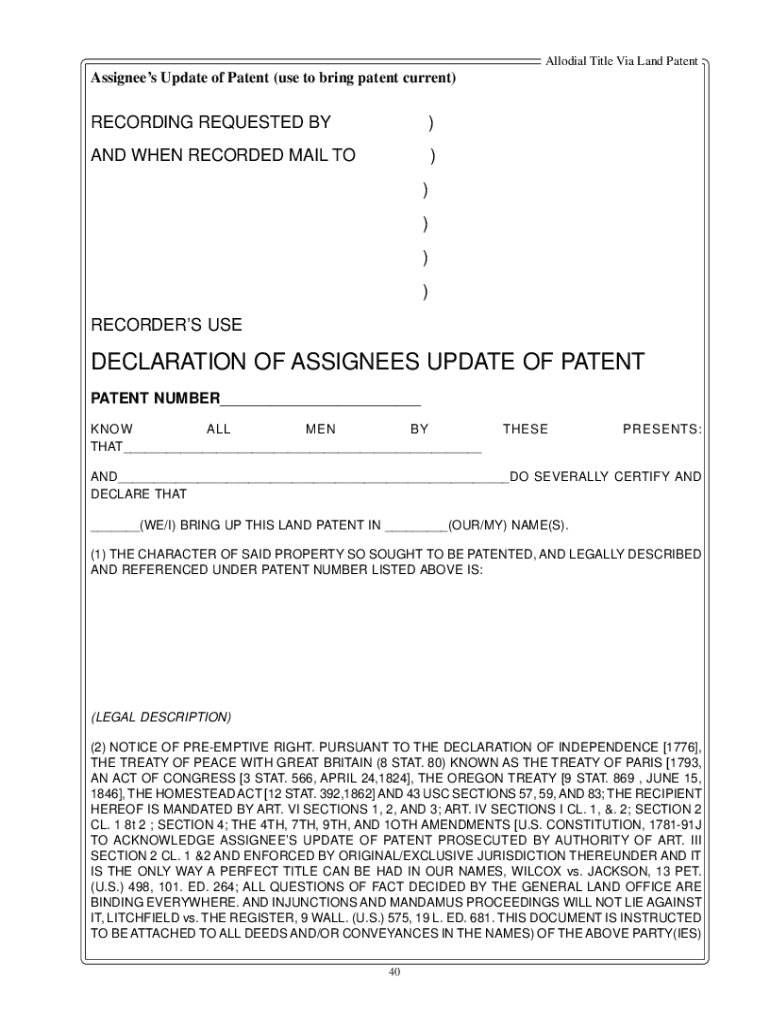
Obtaining an allodial title is a significant step towards securing ownership of your property free from any feudal obligations. To get an allodial title, one must conduct thorough research on property laws and historical documents to establish a solid claim. It involves navigating through legal procedures and possibly contesting existing titles. Understanding the process and adhering to legal requirements are crucial for succeeding in obtaining a rare allodial title.

How to Get an Allodial Title: A Complete Guide
Welcome to your ultimate guide on how to obtain an allodial title for your property. Understanding allodial title can be complex, but with the right information and steps, you can secure this unique form of land ownership. In this comprehensive article, we will explore what an allodial title is, why it’s significant, the process of obtaining one, and important considerations along the way. Let’s dive in!
What is an Allodial Title?
An allodial title represents the highest form of land ownership where the owner has full and absolute ownership of the property. Unlike other forms of property ownership that require some level of allegiance or obligation to a higher authority, an allodial title grants the owner complete control and independence over the land.
Historically, allodial titles have been rare, with most property ownership in the United States based on feudal or government grants. However, there are legal pathways to obtain an allodial title in certain jurisdictions, providing landowners with unparalleled rights and sovereignty over their land.
Why Pursue an Allodial Title?
So, why would someone want to pursue an allodial title for their property? The allure of an allodial title lies in the independence and freedom it offers to landowners. With an allodial title, you are not subject to property taxes, zoning laws, or government regulations that typically govern land use. This freedom can be appealing to individuals seeking full autonomy over their property.
Additionally, owning an allodial title can protect your property from potential claims or liens by outside parties. Because allodial titles are considered the highest form of ownership, they provide a strong shield against encumbrances placed on the property by others.
Steps to Obtain an Allodial Title
While obtaining an allodial title may seem like a daunting task, it is achievable with the right approach. Here are the key steps to follow:
Educate Yourself
Before embarking on the journey to obtain an allodial title, it’s essential to educate yourself on the legal requirements and processes involved. Research the laws and regulations in your jurisdiction regarding allodial titles to understand what is needed to secure one for your property.
Legal Consultation
Seeking legal counsel is crucial when pursuing an allodial title. A knowledgeable attorney with experience in property law can guide you through the process, ensure compliance with relevant laws, and help you navigate any challenges that may arise.
Document Verification
Gathering and verifying all relevant documents pertaining to your property is a critical step in obtaining an allodial title. This includes deeds, surveys, and any other legal documents that establish your ownership of the land.
Title Application
Once you have prepared all necessary documentation, you can submit an application for an allodial title with the appropriate government authorities. This process may vary depending on your jurisdiction, so it’s important to follow the specific guidelines set forth by the relevant agencies.
Compliance and Review
After submitting your application, the government authorities will review your request and ensure that you meet all the requirements for obtaining an allodial title. This may involve inspections, assessments, or additional documentation to verify your ownership and eligibility.
Considerations and Challenges
While the prospect of owning an allodial title can be enticing, there are important considerations and challenges to keep in mind:
Legal Complexity
Securing an allodial title involves navigating complex legal processes and requirements. It’s essential to have a thorough understanding of property law and seek professional guidance to ensure a successful outcome.
Costs and Fees
The process of obtaining an allodial title may entail various costs and fees, including legal fees, application fees, and potential expenses for surveys or assessments. Be prepared for these financial obligations when pursuing an allodial title.
Government Approval
Obtaining an allodial title requires approval from government authorities, who will assess your eligibility and compliance with relevant laws. It’s important to adhere to all regulations and provide accurate information throughout the application process.
In conclusion, obtaining an allodial title for your property is a significant endeavor that offers unparalleled benefits and freedoms to landowners. By following the necessary steps, seeking legal guidance, and understanding the complexities involved, you can work towards securing an allodial title and enjoying the sovereignty it provides. Remember, thorough research and diligence are key to successfully navigating the process of getting an allodial title. Good luck on your journey towards allodial ownership!
How to you move your property into Allodial Title?
Frequently Asked Questions
What is an allodial title and how can one obtain it?
An allodial title refers to absolute ownership of real property without any obligation to a superior landlord. To obtain an allodial title, one typically needs to prove a clear chain of ownership, pay off any outstanding debts or liens on the property, and comply with the specific legal requirements in the jurisdiction where the property is located.
What steps are involved in converting a traditional title to an allodial title?
Converting a traditional title to an allodial title may involve conducting a thorough title search, resolving any disputes or conflicting claims to ownership, obtaining a legal opinion on the feasibility of obtaining an allodial title, and filing the necessary paperwork with the appropriate government authorities.
Are there any specific legal requirements or restrictions when seeking an allodial title?
Legal requirements for obtaining an allodial title can vary depending on the jurisdiction. It is essential to research and understand the laws and regulations governing property ownership in the specific area where the property is located. Additionally, consulting with a real estate attorney or a title expert can help navigate the process effectively.
Final Thoughts
To obtain an allodial title, start by researching state laws and requirements. Next, gather all necessary documentation and complete the application process diligently. Finally, consult with legal experts or title companies for guidance. Securing an allodial title involves thorough preparation and adherence to legal procedures. Remember, understanding how to get an allodial title is crucial for asserting full property ownership rights.